Even those who are predisposed to change need support to see it through. Real, sustained change requires dedicated resources to access research partners, professional learning, and capacity that schools and districts don’t have in-house for design and implementation. Technical support providers can also bring expertise around best practices and lessons learned from initiatives happening across the country. Providing customized, community-based technical support through providers and infrastructure avoids both the perception of top-down mandates as well as communities being left to fend for themselves in a bottom-up approach.
Key Actions
- Create a line item for and negotiate partnerships with external providers and partners that can provide technical support to schools and districts to build capacity for R&D and sustainable innovation.
- Strengthen relationships with Regional Educational Laboratories and Comprehensive Centers and understand how each can be leveraged to support evidence collection, feedback loops to system leaders, and training and technical assistance.
- Create simple tools, guides, and templates that allow practitioners to incorporate learning and improvement science into their practice. Resources could include:
- Model requests for proposal (RFPs) for technical support to schools and districts.
- Guides to increase awareness of the flexibilities and incentives available to districts and schools that can be leveraged for innovation.
- Curricular and open educational resources for schools that are adoptable and adaptable so school communities don’t have to reinvent the wheel in pursuing learner-centered innovation, such as the Innovative Models Exchange.
Bright Spots: Learn From Other States
Discover how states across the country are providing technical support for education R&D and evidence-based improvement.

Massachusetts: Supporting Bottom-Up Innovation Through Technical Assistance
The One8 Foundation is reimagining technical assistance as R&D in action. Through its applied learning HQIM-specific networks, One8 helps teachers surface and share promising practices like discourse mapping, a peer-observation tool that makes classroom talk visible and equitable. One8 provided coaching, tools, and leadership support to pilot, refine, and codify the schoolwide approach. One8 is now supporting a group of schools to adopt the schoolwide approach. The result: a growing statewide cohort translating grassroots innovation into scaled instructional practice change with common impact measurement.

Alabama: Scaling Capacity and Coaching for Elementary Math Success
Alabama’s Numeracy Act creates a statewide system of support anchored in infrastructure and practice. The law mandates a math coach in every K–5 school, high-quality instructional materials, and data-driven interventions. Through ongoing evaluations and professional learning, districts are building sustained capacity rather than relying on top-down directives. With this mix of policy, technical assistance, and research-informed coaching, Alabama is turning infrastructure into measurable improvement.

Kentucky: Coaching and Capacity-Building for Math Success
Through its Math Achievement Fund, Kentucky provides two-year renewable grants that help schools hire math intervention teachers, train teacher leaders, and access high-quality instructional resources. The program pairs a modest amount of state funding with deep technical assistance, including state conferences, coaching models, and continuous feedback. A RAND/AIR evaluation found lasting gains in math and reading scores, attendance, and behavior, even after funding ended – proof that sustained support and evidence-based coaching can transform student outcomes.
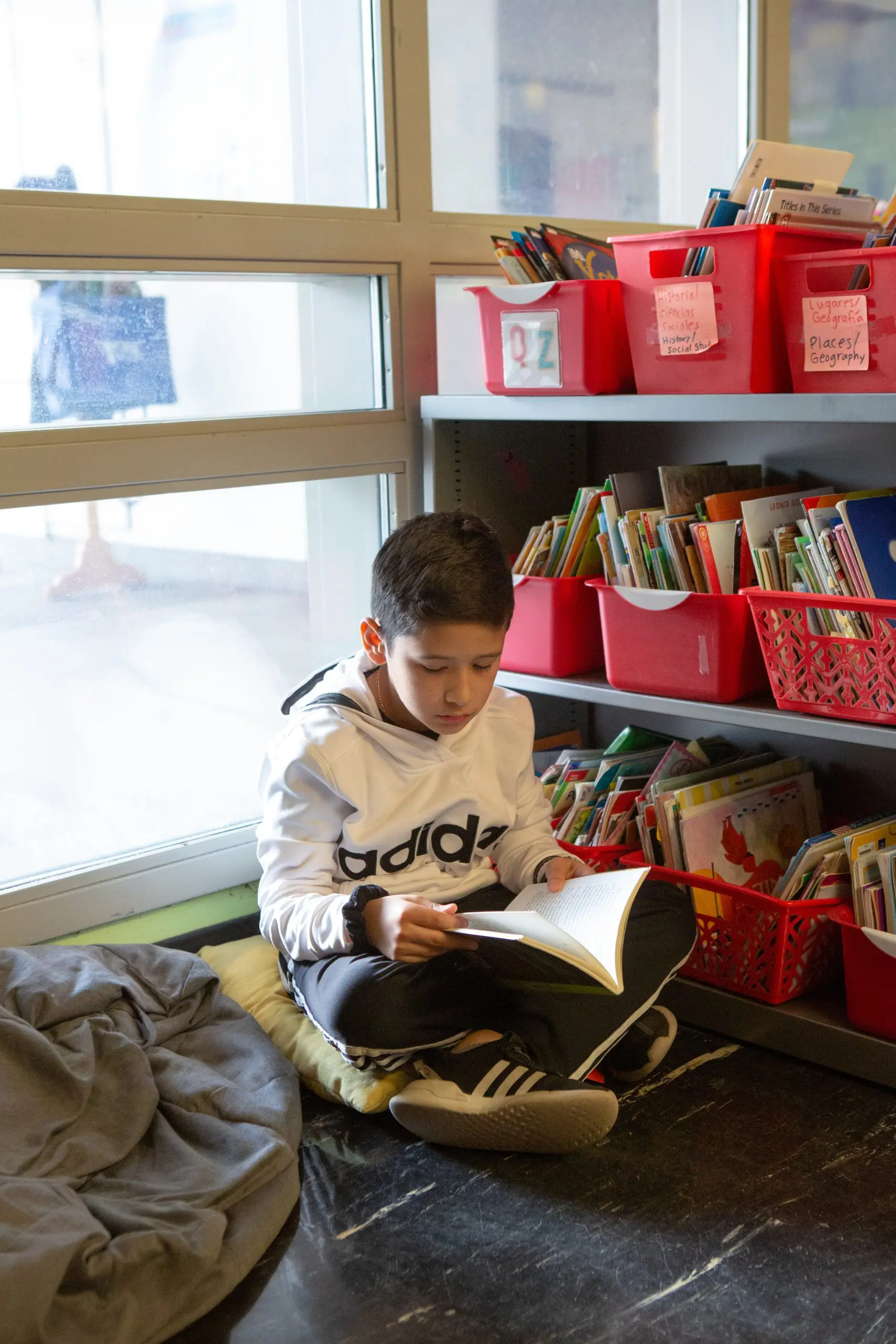
District of Columbia: Building Scalable Literacy Innovation Through a Long-Term R&D Field Site
Since 2018, District of Columbia Public Schools has partnered with the SERP Institute as a Field Site to tackle persistent early literacy challenges. Through sustained technical support, DCPS and SERP identified context-specific instructional practices driving uneven K–2 literacy outcomes and co-designed scalable professional learning tools focused on student discourse and effective literacy workstations. The result is a research-informed, educator-centered model that builds district capacity while producing resources adaptable to other states and districts facing similar challenges.