Custom Blog – Banner
















Explore Our Blog
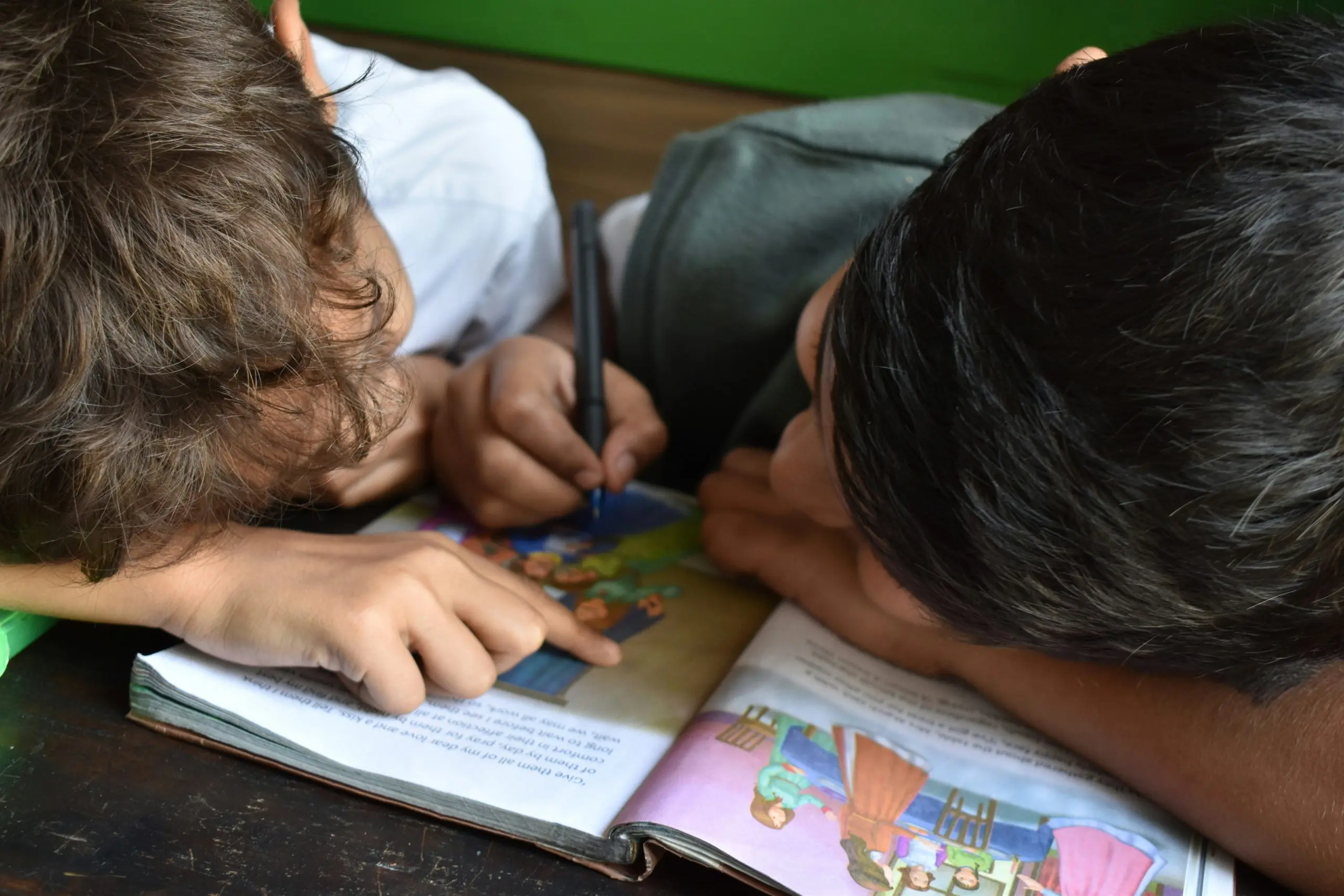
We Are Leaving Behind a Growing Number of Struggling Readers
Ever since the No Child Left Behind Act (NCLB) took effect in 2002, student “proficiency” has been a guiding principle of education policy and reform. NCLB mandated that every student in the U.S. reach proficiency in reading and math and, per its very title, that no child be left behind. …

Asking a New Question about Fidelity
For decades, the education research community has focused on scaling promising programs to reach more students. But lasting change doesn’t come from trying to replicate a program step-for-step; it comes from replicating the student experiences that make learning meaningful. Earth Force has worked with educators and partner organizations for over…

Empowering Education and Workforce Decisions Through Kentucky’s Statewide Longitudinal Data System
The Kentucky Center for Statistics (KYSTATS) manages the state’s education and workforce data infrastructure, linking information across early childhood, K-12, postsecondary, and workforce systems through the Kentucky Longitudinal Data System (KLDS). By expanding access to high-quality data and strengthening statewide data governance, KYSTATS helps policymakers, educators, and communities make evidence-based…

What Nursing Can Teach Schools About Innovative Staffing
Our recent paper, Investing in Educators, compared teacher and nurse union contracts on pay bonuses for hard-to-staff jobs. Nursing and teaching are both professional fields, yet nursing pays substantial, reliable money to fill hard-to-staff shifts and specialties. Despite research documenting the effectiveness of differential pay in high-poverty schools and in…
Bipartisan Momentum for Education R&D in Congress
This summer, we’ve been closely tracking multiple bills introduced in the Senate aimed at advancing data and evidence in education. This is a promising moment of bipartisan alignment on an issue central to ALI’s work: whether the federal government has the infrastructure to find out what works in education and…
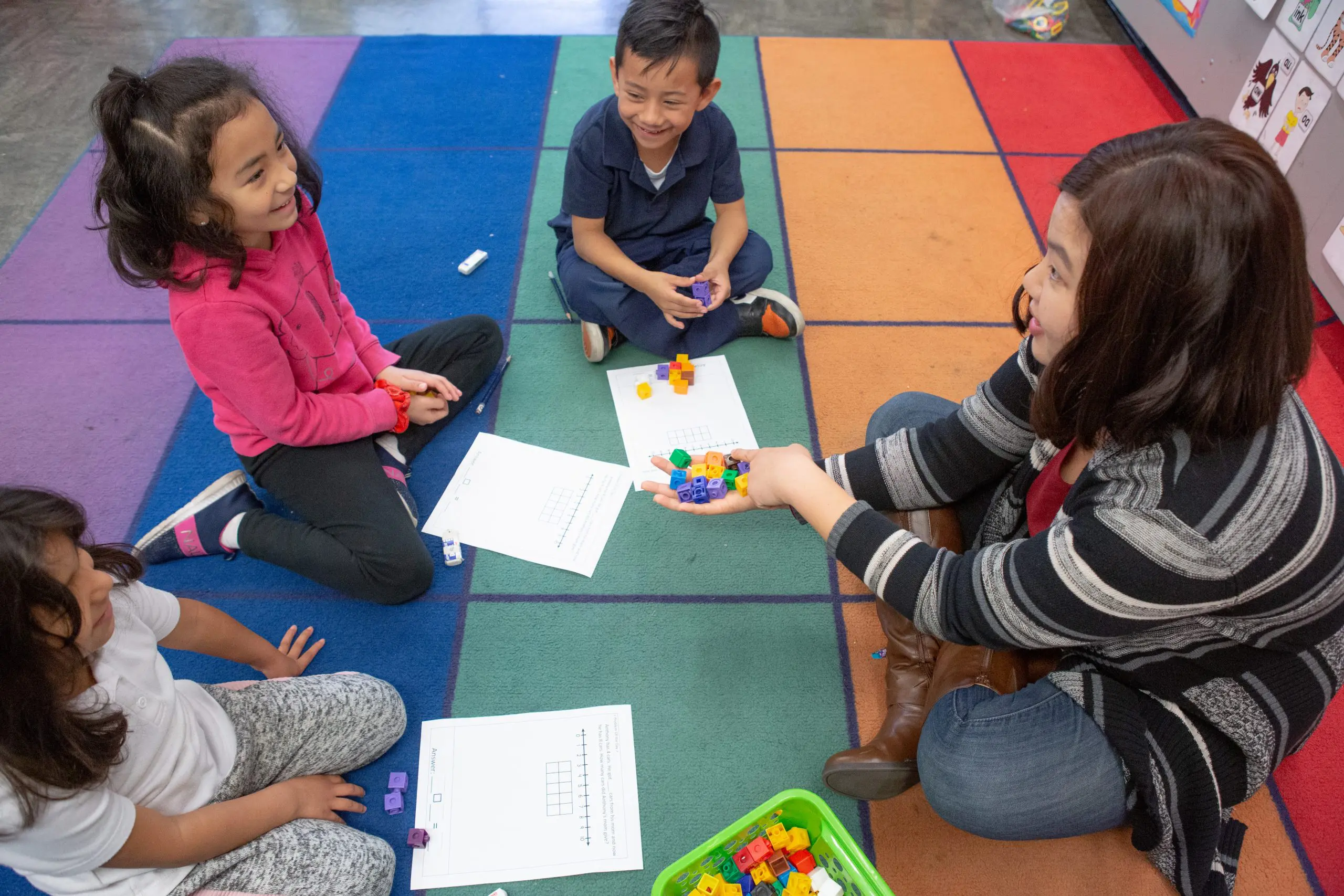
Inclusive R&D in Action: Bridging Learner Variability Research and Educator Practice with AI
Learner Variability (LV) is the understanding that every learner has a unique learning profile of strengths and challenges. Research shows that personalized learning rooted in this understanding has a greater chance of success, but designing instruction that addresses LV through whole-child development remains a persistent challenge for busy educators managing…
Trending Now

Building a Bolder IES: An Interview with Former IES Fellows, Katherine McEldoon and Alex Resch
Why the Education Technology Market Fails to Reward What Works

The United States Needs a “Science of Advanced Education”

Building the Foundation: Introducing the Blueprint for the Federal Role in Advancing Early Learning R&D
Building a Bolder IES: An Interview with Former IES Fellows, Katherine McEldoon and Alex Resch
Why the Education Technology Market Fails to Reward What Works
The United States Needs a “Science of Advanced Education”